Power and design no longer characterize current cars. Car manufacturers have implemented intelligent safety technologies today to prevent accidents, augment driver awareness, and bring peace of mind. People often refer to these intelligent safety systems as ADAS, and they include automated emergency braking, lane-keep control, blind-spot detection, adaptive cruise control, and traffic sign identification. Cameras, radar sensors, and sophisticated software form their basis, analyzing the state of the road in real time and supporting drivers in case of need.
Not every smart safety system delivers equal accuracy or reliability, and calibration and software updates maintain and control its functionality. Thus, buyers must study and examine these essential systems in detail before buying a car. This way, it is safe and satisfactory in the long run.
Why Smart Safety Systems Matter
Smart safety technologies can be an automated co-pilot of drivers and help them to prevent accidents and reduce the severity of the accidents. The automatic emergency braking helps to detect oncoming accidents and brake faster than human beings. The idea of Lane-keeping assistance assists to keep cars positioned in the centre of the lanes and minimize the risks of unintentional escapes.
Blind spot monitoring will inform the driver that there are other cars in the adjacent lanes and the driver can use adaptive cruise control to maintain a safe distance on highways. These technologies have been necessary as the traffic conditions become complicated across the world. Research shows that vehicles fitted with ADAS experience only a small number of accidents compared to those that have no systems, and this points to ADAS’s effective influence on road safety.
Understanding the Car’s ADAS Features
All ADAS functions available in a car must considered before purchase. Similar systems are usually sold by different manufacturers, and this may be misleading. Knowledge of forward collision warning, automatic emergency braking, lane-keeping assist, blind-spots etc.
It also includes adaptive cruise control, traffic signs, and parking assistance to make sure that the buyers are not in the dark about how the car will handle various safety situations. The expertise regarding the work of every system enables the buyer to choose a car that matches his demands concerning safety and driving abilities.
Inspecting Cameras and Sensors
The operation of ADAS depends on cameras and radar sensors. They normally fit in the front bumper, grill, side mirrors, windshield, and rear side of the car. These components should also be checked on whether they have been damaged, dirty, or not aligned because the smallest problems can undermine the performance of the system.
Also, beware of prior repairs or modification of body parts, collision damage can cause sensors to be out of position and render automatic braking systems, lane-keeping systems, or blind-spots systems ineffective.
Checking Dashboard Warning Lights
Dashboard indicators are crucial in the provision of information regarding the functionality of systems. When starting the car, listen to the warnings regarding radar, cameras, lane departure, blind-spots or parking support. Constant warnings can be signs of malfunctions that need to be dealt with by a professional prior to buying.
A comprehensive check of the service history of the vehicle is also necessary. There are several repairs to ADAS parts that require re-calibration, including replacing the windshield, doing some bumper work, or even adjusting the suspension. Checking the fact that these services were performed as per specifications of the manufacturer will guarantee that safety systems will be performed competently.
Verifying Sensor Calibration
Cameras, radars and other sensor units should be properly calibrated. Collision, improper repairs or slight impact may lead to misalignment. In case the car has been repaired a lot, demand a document of professional recalibration.
Even current automobiles will need a software update with a physical one to achieve maximum functionality of the system. Proper calibration guarantees that the automatic braking, lane assistant, and blind spot functions properly and have reliable functionality.
Test Driving Smart Safety Features of Cars
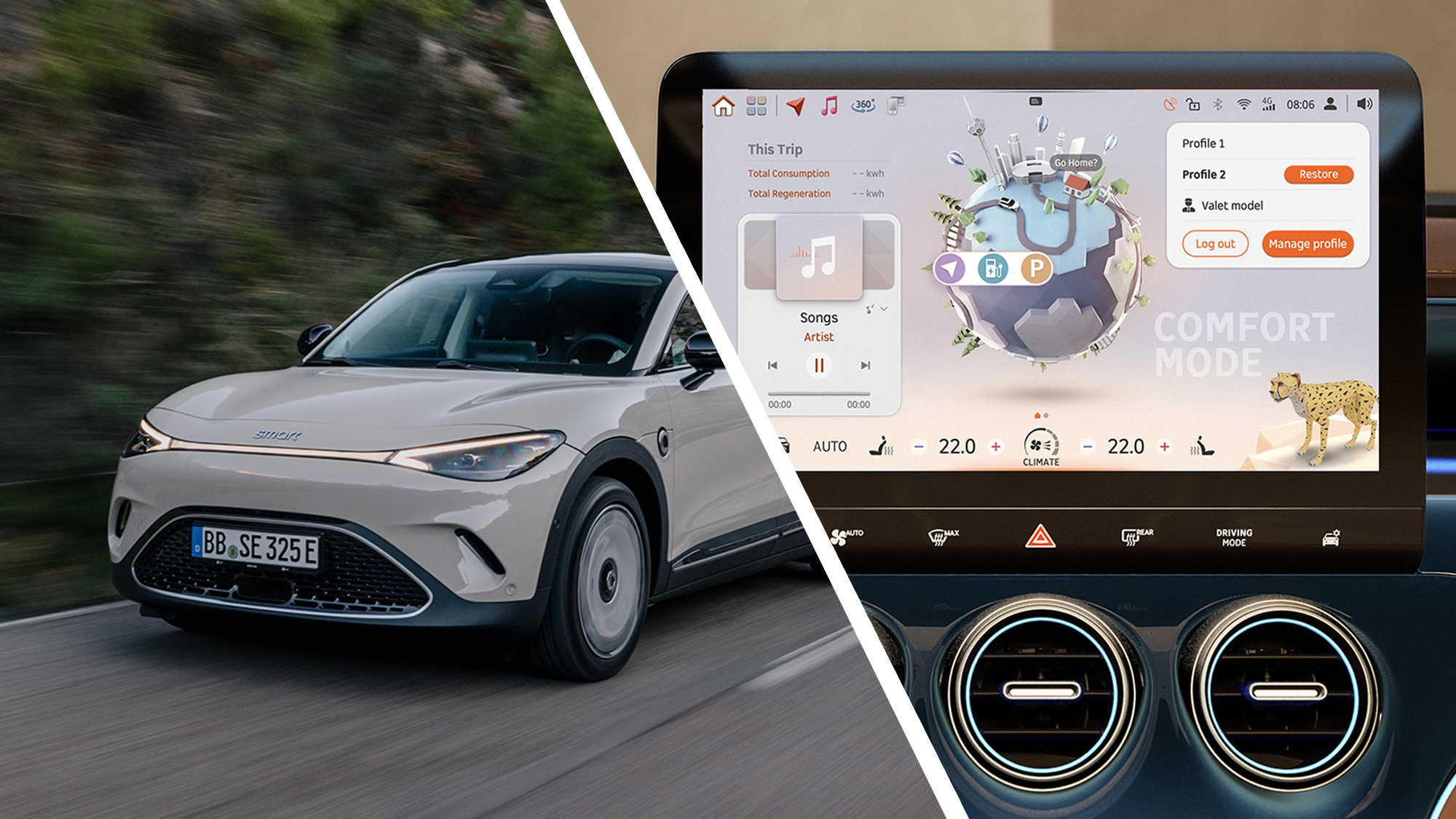
A test drive will enable the buyers to test the performance of ADAS in real conditions. Pull through city streets, highways and parking scenarios to test the responses of the system. All these features include paying attention to adaptive cruise control keeping safe distances, steering lane-keeping assistant and automatic emergency brake responses to sudden halts, blind-spot warning signals on lane changes, etc.
Any non-conformity or lack of quick reaction can show certain underlying problems. The accuracy and reliability of these systems can only be confirmed by testing systems before buying.
Ensuring Traditional Safety Technologies of cars
ADAS is technologically advanced, but the traditional safety features will also be significant. Anti-lock braking systems ensure that the wheels do not lock up in cases of emergency stops, the electronic stability control ensures that the vehicle remains stable in cases of skids and the airbags cushion the occupants in case of collision.
Tire pressure indicators would warn the user whenever there is a low pressure, which would minimize the chances of a blow out. The superior and the traditional safety system can be combined to offer total protection and the vehicle would be of high standards in terms of safety.
Evaluating Visibility and Driving Comfort
The visibility and comfort of the driver are essential to safe operation despite the sufficiently high level of safety technologies. Check seating position, adjustable mirrors and clarity of the windshield. A comfortable sitting position makes fatigue less which may lead to an accident.
Make sure that the dashboards are user-friendly and that they are not a driver distraction. The visibility and comfort can be improved which can increase the efficiency of smart safety systems and makes drivers able to react fast to warnings or alerts.
Confirming Anti-Theft and Digital Security Features
The security technologies of modern cars are digitalized and prevent theft and unauthorized access. Engine immobilizers, remote lock, vehicle tracking, keyless entry, and connected apps offer the added security at the same time being convenient.
Ensure that these features work properly and that you configure them properly. A secure digital system does not only stop unauthorized usage but also safeguards personal information which applications link with it.
Checking Tires and Suspension of Cars
The tires and suspension have a direct influence on the smart safety system performance. Abrasion of tires, improper tire pressure or faulty suspension may affect braking distances, stability control and alignment of sensors.
Check the tire tread, the tires pressure, and general suspension to verify the presence of the ADAS parts being appropriate. To stabilize good safe functioning of advanced safety technologies, tires and suspension need proper maintenance.
Verifying Software Updates
ADAS is a system that is dependent on software. Manufacturers keep updating them on a regular basis so as to improve performance, eliminate bugs, and add new features. Ascertain that the car’s software is up-to-date and that you can update it in the future. The team performs software maintenance regularly to ensure that the smart safety systems are efficient, accurate, and aligned with the current and upcoming technologies.
Reviewing Safety Ratings and Maintenance Costs
The independent vehicle safety ratings give an idea of the crashworthiness, accident avoidance and the effectiveness of the system in total. Some programs such as the New Car Assessment Program (NCAP) test vehicles in terms of protection and performance. When selecting a vehicle, it is important to choose one rated high to provide the occupants with safety.
Some of the sophisticated security systems might be expensive to repair when they break, particularly the radar devices, cameras, or recalibration. Being aware of these costs can enable buyers to plan and manage their costs well as they are aware of the cost they will incur.
Key Takeaways
Smart safety systems installed in cars provide a lot of improvement in road safety and accidents prevention. Cross-examine cameras, radar sensors, and warning indicators before buying. Service history check and sensor calibration. Properly test drive to determine the functionality of adaptive cruise control, lane-keeping assist, and automatic emergency braking.
Make sure that the conventional safety measures such as anti-lock brakes, stability control, and airbags are operating. Check the software updates, test tires and suspension, look at safety ratings, and learn about the possible maintenance expenses. Total assessment would provide effective safety systems that operate reliably.
Conclusion
Smart safety systems have revolutionized modern driving by acting as co-pilots to help drivers navigate, avoid road accidents, and manage the vehicle in general. When properly maintained, the technologies improve driver confidence, protect the passengers, and minimize the risks of accidents.
Buyers are able to make a good decision by assessing sensors, reviewing service records, conducting test drives and ensuring software updates and system calibration. Integration of the hi-tech ADAS together with the conventional safety systems would guarantee the highest level of protection and comfort.
Through consideration, we find that intelligent safety systems are a viable, effective, and convenient measure to ensure safer driving experiences and should consider them an inseparable element in modern cars.
FA Q
What are car smart safety systems?
ADAS aids drivers with the help of sensors and cameras such as automatic braking, lane assistant, and blind spot monitoring.
Are intelligent safety systems dependable?
Yes, maintaining and calibration. Scattered sensors or old-fashioned software can decrease efficiency.
Should buyers test ADAS before purchasing a car?
Absolutely. A test drive guarantees that features work as expected to work under a realistic environment.
Are intelligent safety systems costly to fix?
Certain parts such as radar sensors or cameras might have specialized service needs and be expensive.
What is the frequency of smart system calibration?
Technicians usually have to re-calibrate repairs, replacement of windshields, and suspension.


